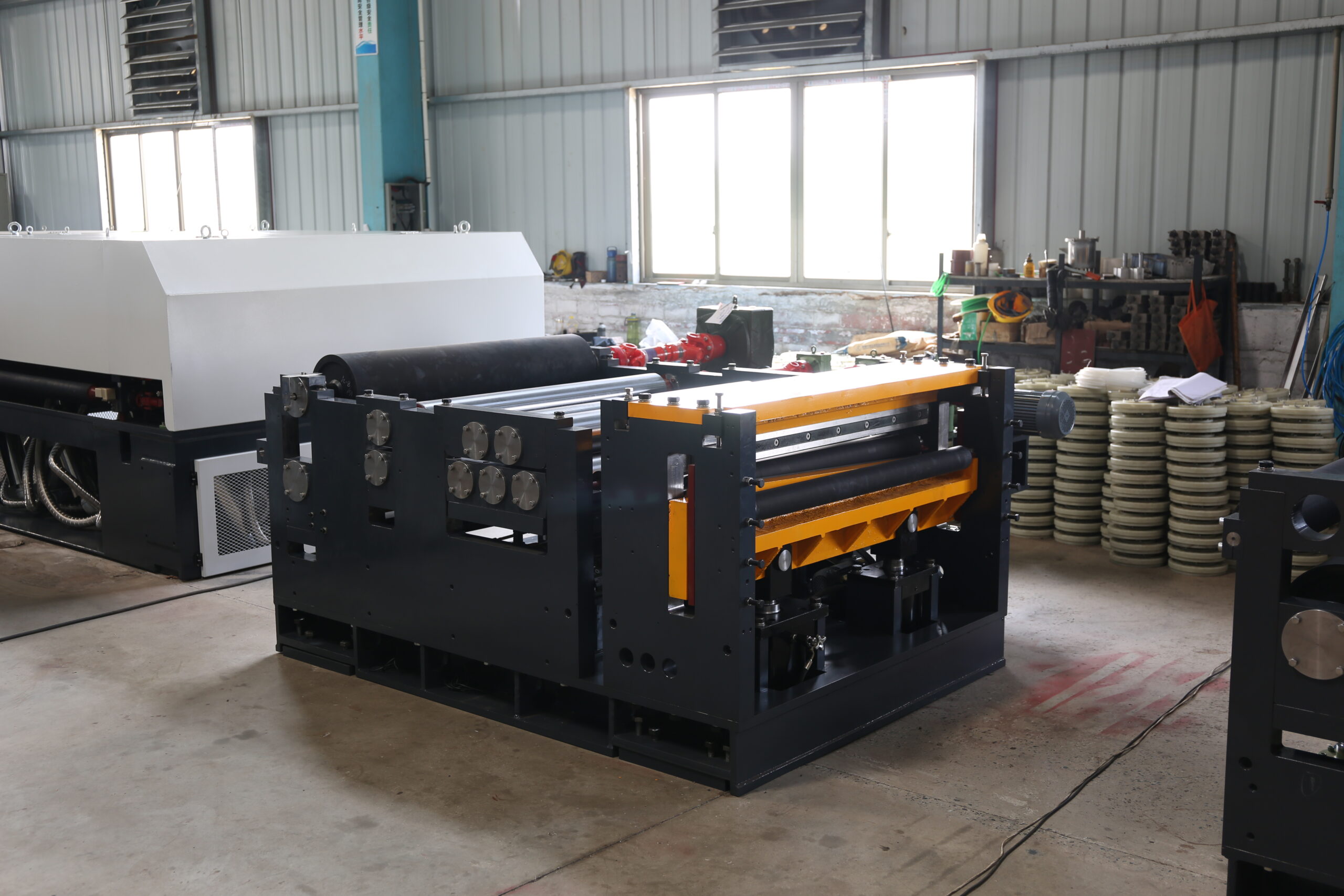
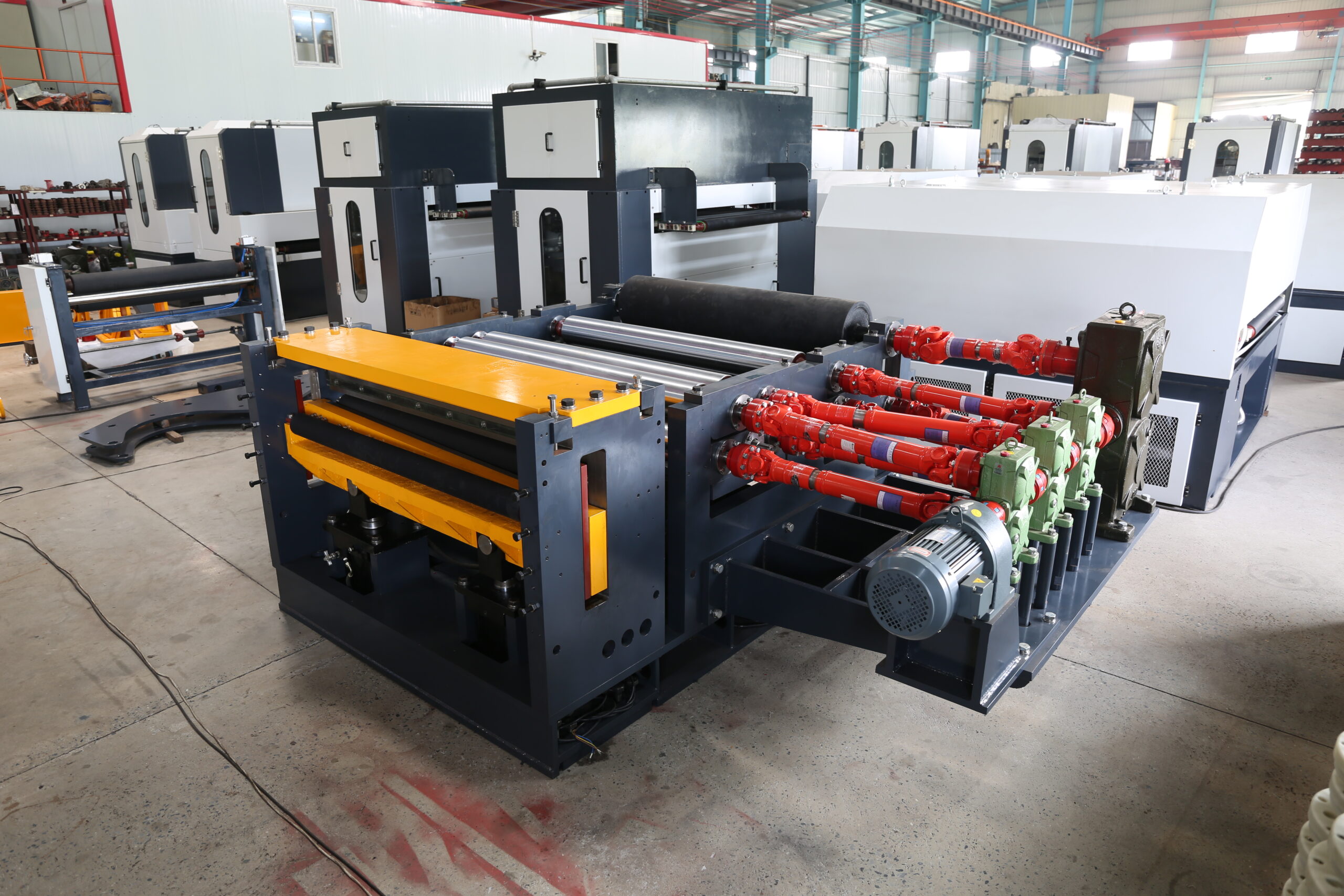
Pinch Feeding and Leveling Machine
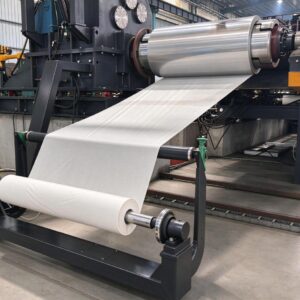
The Pinch Feeding and Leveling Machine is designed to feed and straighten stainless steel strip after decoiling. It combines controlled strip feeding with multi-roll leveling, helping the material move forward steadily while reducing the natural curvature and unevenness caused by coil storage.
Description
The Pinch Feeding and Leveling Machine is designed to feed and straighten stainless steel strip after decoiling. It combines controlled strip feeding with multi-roll leveling, helping the material move forward steadily while reducing the natural curvature and unevenness caused by coil storage.
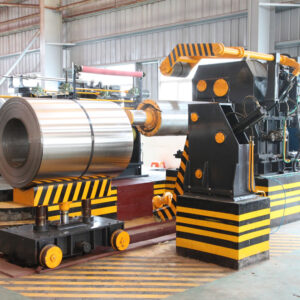
When stainless steel is unwound from a coil, the strip tends to retain its curved shape, commonly known as coil set. If the material enters downstream equipment in this condition, unstable feeding and poor strip flatness may affect continuous production. The pinch feeding and leveling machine prepares the strip by controlling its movement and improving its flatness before the next processing stage.
Pinch Feeding
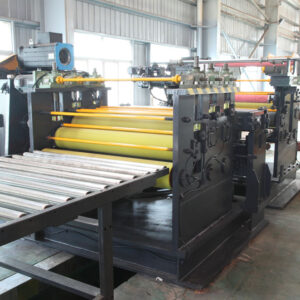
The pinch feeding section uses upper and lower rollers to grip the stainless steel strip and guide it forward.
Its main functions include:
- Providing stable forward feeding
- Guiding the strip into downstream equipment
- Assisting with strip threading during line start-up
- Reducing dependence on manual material pulling
Coordinating material movement between the decoiler and downstream equipment
The roller pressure and feeding configuration can be selected according to the material thickness, width and production requirements.
Strip Leveling
After decoiling, stainless steel strip may retain curvature from being stored in coil form. The leveling section guides the strip through a series of rollers to repeatedly bend and release the material in a controlled manner.
This process helps:
- Reduce residual coil curvature
- Improve strip flatness
- Stabilize the material before downstream processing
- Reduce unwanted strip movement caused by uneven material shape
- Provide a more consistent material condition for continuous production
The leveling performance depends on the material thickness, mechanical properties, roller arrangement and machine configuration.
Why Combine Feeding and Leveling?
Feeding and leveling perform two different but closely related functions.
Pinch Feeding
Controls how the strip moves forward.
Leveling
Controls the physical flatness of the strip.
Combining these functions in one unit allows the material to be fed and conditioned before entering the next processing stage. This simplifies material handling and improves continuity between decoiling and downstream production equipment.
Working Principle
A typical material flow is:
Decoiling → Pinch Feeding → Multi-Roll Leveling → Stable Strip Output
The pinch rollers first grip and feed the material forward. The strip then passes through the leveling rollers, where controlled bending helps reduce the curvature remaining from the coil.
After leveling, the strip exits the machine in a more stable and flatter condition for subsequent processing.
Machine Configuration
The Pinch Feeding and Leveling Machine can be configured according to the actual stainless steel material and production requirements, including:
- Strip width
- Material thickness
- Stainless steel grade
- Feeding speed
- Number and arrangement of leveling rollers
- Roller diameter
- Pinch roller configuration
- Working height
- Feeding direction
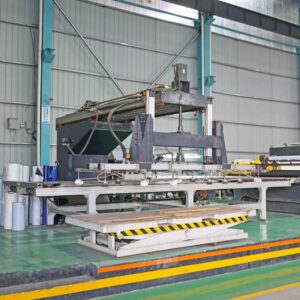
Connection with upstream and downstream equipment
The final machine structure and technical parameters are determined according to the actual material specifications and required leveling performance.
Reliable Material Preparation for Continuous Production
Stable material feeding starts before the main processing equipment. By combining strip feeding and leveling in one unit, the Pinch Feeding and Leveling Machine helps convert curved material coming from the coil into a more stable strip condition for continuous production.
OUYIGANG can configure the machine according to the customer’s coil specifications and production line layout, ensuring proper connection with the decoiling system and downstream equipment.